Best scenery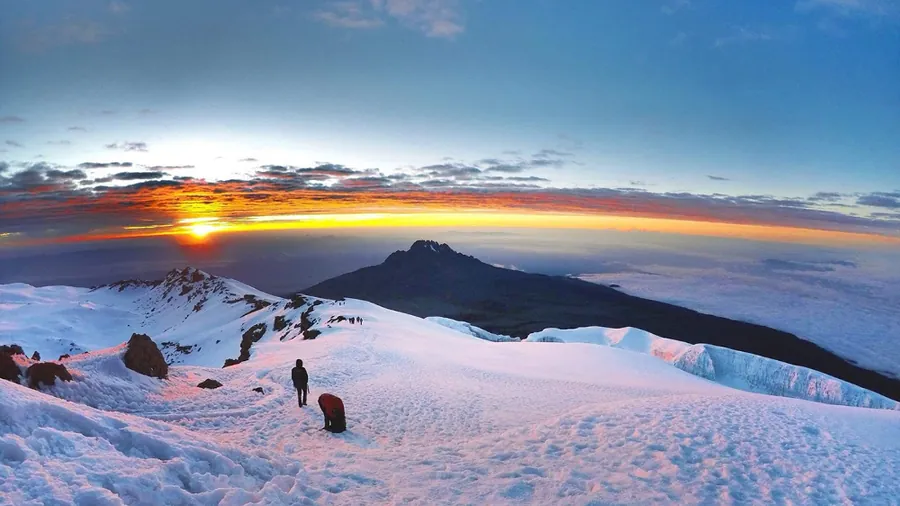
Machame Route, 7 days
The most scenic line on the mountain, walked over seven days for the acclimatisation that pushes summit success above 90 percent.
From$1,890
View trip
An honest difficulty rating for every main route, why an extra day matters more than fitness, and what summit night actually feels like.
Kilimanjaro is a walk, not a climb. There are no ropes, no ice axes and no vertical sections. What defeats people is altitude, not terrain: above 4,000 m your body is working with about half the oxygen it gets at sea level.
That single fact explains why the route with the gentlest altitude profile wins, and why one extra day on the mountain is worth more than three months of gym work.
The only route with permanent dormitory huts, so you sleep in a bed every night. The trade-off is a steep profile: 5 or 6 days up the same trail the descent uses. The 6-day version with the Horombo acclimatisation day is the one to book - from USD 2,500.
Steeper and more varied, with the Barranco Wall and the walk-high-sleep-low day at Lava Tower. Seven days gives a genuinely good summit rate; six is cheaper and noticeably harder. From USD 1,890 on a group departure.
Lemosho approaches from the west across the Shira plateau: longest, quietest, best acclimatisation. Rongai comes in from the north, near the Kenyan border, and is the driest option in the rainy season.
You wake before midnight, drink tea, and walk uphill in the dark for six to eight hours at -10 C or colder. It is slow, cold and monotonous, and the last hour from Stella Point to Uhuru Peak feels longer than the previous six combined.
Guides manage this with daily pulse-oximeter checks, hydration, and the discipline to turn a climber around if the numbers say so. We carry oxygen on every departure.
Three months of walking with a loaded pack, two or three times a week, plus stairs or hill repeats. Cardiovascular fitness helps; acclimatisation is what gets you to the top. Arrive rested, drink more than you think you need, and eat even when you are not hungry.
Send your dates and we will build a route around the season you are travelling in, with the price in the first reply.
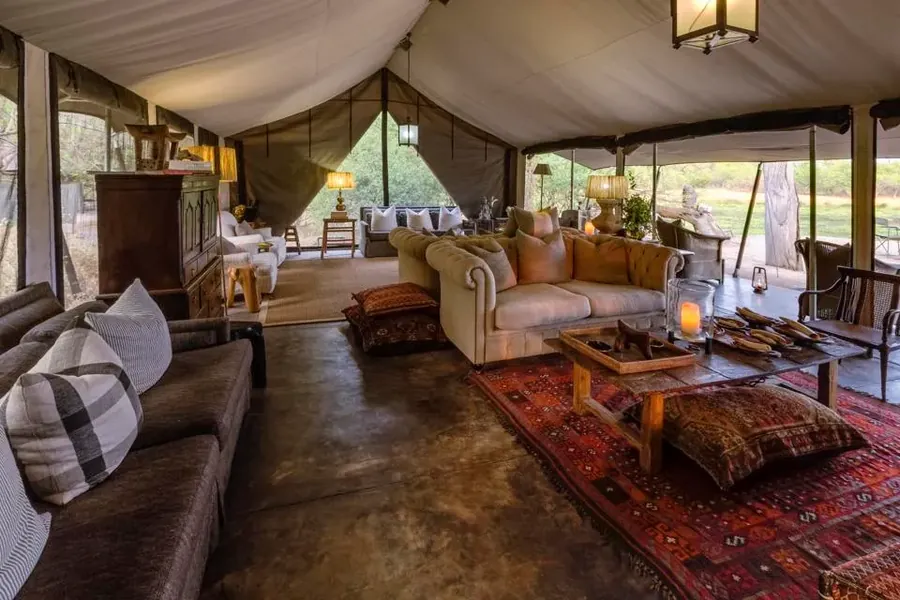
The most scenic line on the mountain, walked over seven days for the acclimatisation that pushes summit success above 90 percent.
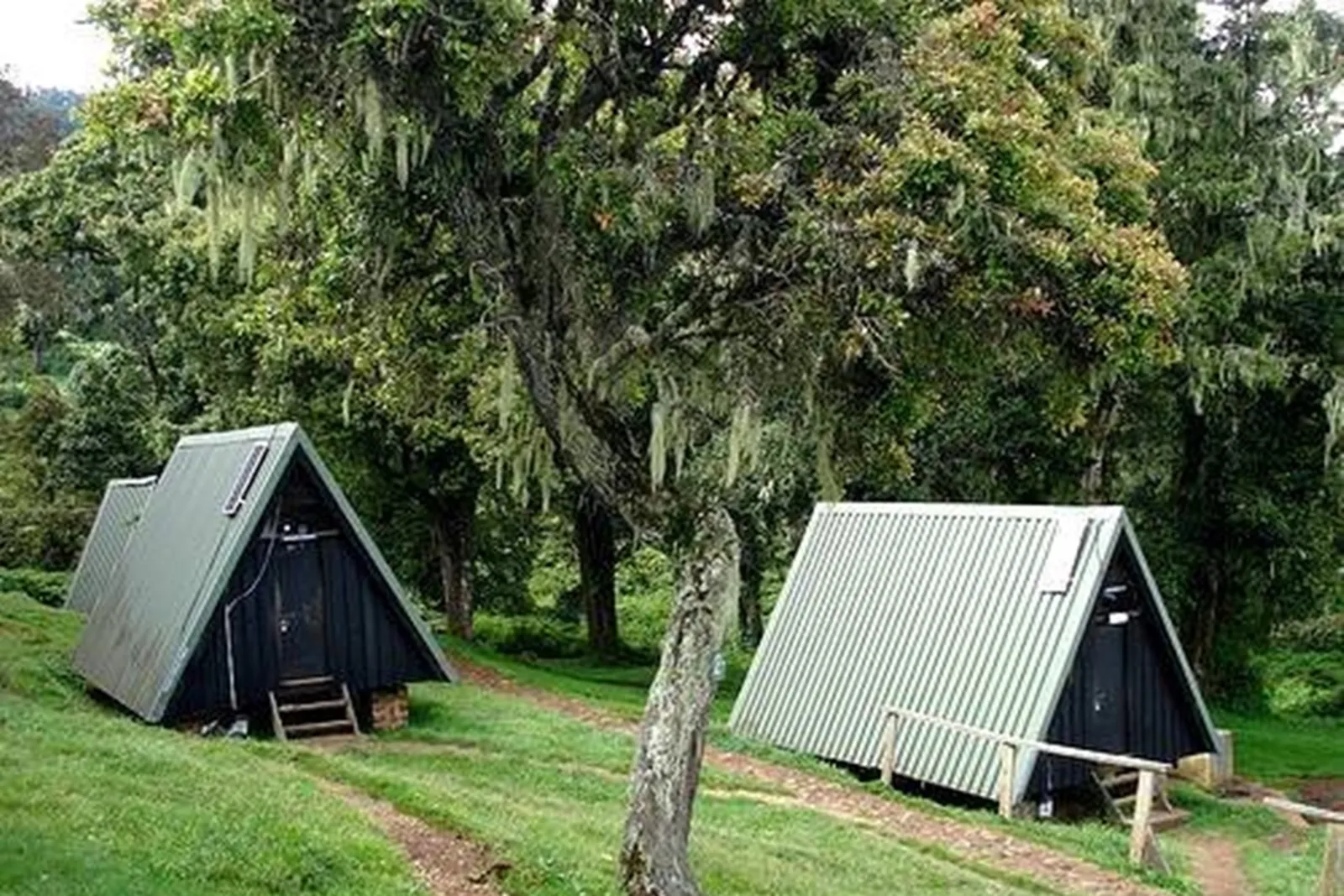
The Coca-Cola route: the only Kilimanjaro trail with permanent huts, a dormitory bed every night and a gentler altitude profile once you add the acclimatisation day.
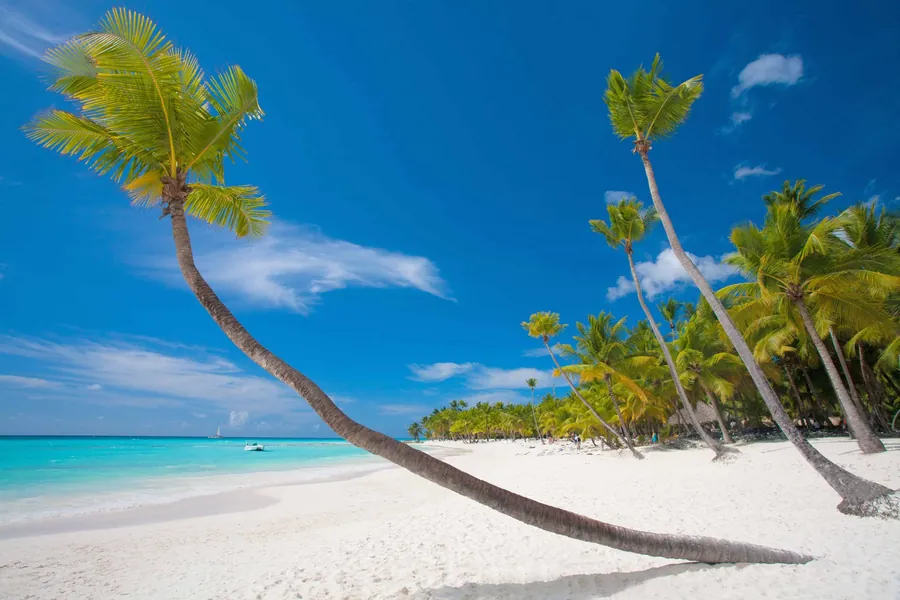
Five days of game drives, then a flight from the Serengeti airstrip to the Indian Ocean for four nights of beach, Stone Town and dolphins.
Free 30-minute call with a Tanzania expert, no sales script.